
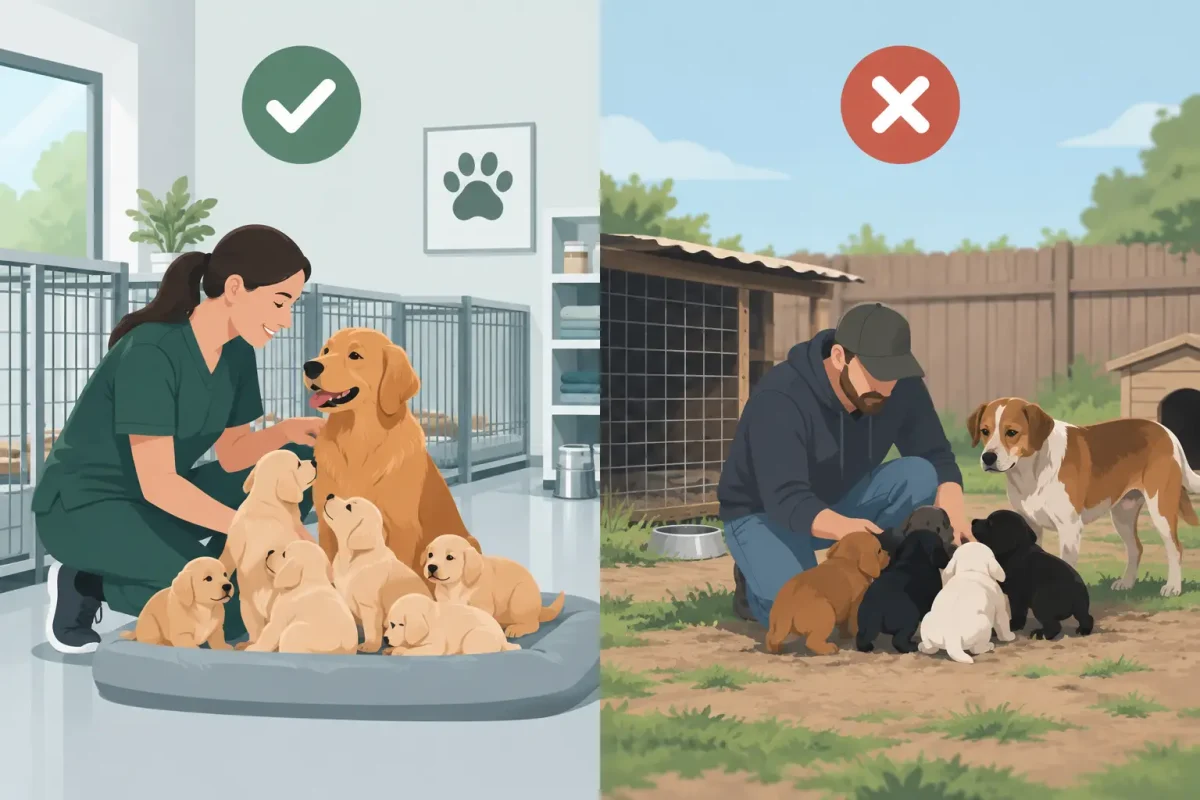
A kitten can look healthy, playful, and adorable in a photo while still coming from a situation that leaves major questions unanswered. When comparing an ethical breeder versus backyard breeder, the difference is rarely a single certificate, a polished social media page, or the price of the kitten. It is the consistent, everyday care behind the kitten’s first weeks of life.
For families hoping to welcome a Maine Coon or Ragdoll into their home, those early weeks matter deeply. They shape how a kitten responds to people, household sounds, grooming, travel, other pets, and the normal rhythms of family life. A well-loved kitten should come with more than a pretty face and a promise. You should feel informed, respected, and supported as you choose a companion who may share your home for many years.
Ethical Breeder Versus Backyard Breeder: The Real Difference
The phrase “backyard breeder” can feel broad, and it is worth approaching it fairly. Not every small breeder operates the same way, and a large facility is not automatically responsible simply because it looks professional. The more useful question is this: what does the breeder do, day after day, to protect the health and emotional well-being of their cats and kittens?
An ethical breeder plans litters thoughtfully, keeps the number of cats and kittens manageable, and makes decisions with long-term health and temperament in mind. They know their breeding cats as individuals. They can speak honestly about each cat’s personality, needs, health background, and the type of home where a kitten is most likely to thrive.
A backyard breeder may also describe kittens as raised with love, but care can become inconsistent when breeding is driven primarily by demand, color trends, or the hope of quick income. There may be little documentation, limited health information, rushed placements, or no meaningful support after payment is made. The concern is not the size of someone’s home. It is whether the cats’ welfare comes before the sale.
Health Starts Long Before a Kitten Is Available
Responsible breeding begins before a pairing takes place. Ethical breeders use breed-appropriate health screening, work with veterinary guidance, and consider family lines when planning litters. They are prepared to discuss what testing has been done, what a health guarantee covers, and what steps they take to reduce avoidable risk.
No breeder can promise that a living animal will never face a health issue. Genetics and life can be unpredictable. What a caring breeder can offer is transparency: clear records, honest answers, appropriate preventive care, and a willingness to talk through concerns without becoming defensive.
For Maine Coons, buyers may ask how the breeder approaches inherited health concerns common to the breed and how they monitor the health of breeding cats over time. For Ragdolls, it is equally reasonable to ask about health screening, veterinary care, and the overall wellness plan for the cattery. A trustworthy answer should be understandable, specific, and never dismissive.
Be cautious if a seller says testing is unnecessary because their cats “have never had a problem,” refuses to share basic health information, or offers vague reassurances in place of records. A kitten’s health is not something to guess about after you bring them home.
Ask About Daily Care, Not Just Medical Paperwork
Health is also shaped by ordinary routines. Clean living spaces, quality nutrition, fresh water, age-appropriate veterinary care, gentle handling, and close observation all matter. A breeder who spends time with kittens every day often notices subtle changes in appetite, litter box habits, confidence, or energy before they become larger concerns.
Ask what the kittens eat, how they are introduced to litter habits, whether they receive regular handling, and what the breeder does if one kitten needs extra support. These questions are not intrusive. They show that you are preparing to be a thoughtful lifelong owner.
A Home-Raised Kitten Learns From Home Life
Maine Coons and Ragdolls are often chosen for their affectionate, people-oriented nature, but individual temperament still matters. A calm, confident kitten does not happen by accident. Gentle socialization gives kittens the chance to experience kind human contact and normal household activity at a pace that supports security rather than stress.
In a family-centered setting, kittens may become familiar with voices, footsteps, everyday cleaning sounds, play sessions, brushing, and respectful handling. They learn that people can be a source of comfort. This can make the move into a new home easier, especially for first-time pedigree-cat owners, homes with children, or families introducing a kitten to a friendly dog or resident cat.
An ethical breeder should be able to explain how kittens are socialized and what they have experienced before leaving. They should also help you think beyond coat color. The most striking kitten in a litter may not be the best match for a busy home, a quiet couple, or a household needing a kitten comfortable around other pets.
A breeder focused mainly on a fast sale may not ask much about your routines, work schedule, children, travel plans, or current animals. That is a missed opportunity. A thoughtful match is one of the kindest things a breeder can offer both the kitten and the family.
Timing and Transparency Are Signs of Care
Responsible breeders do not send kittens home before they are developmentally ready simply because a buyer is eager. The right timing depends on the kitten’s growth, veterinary guidance, weaning progress, confidence, and readiness for the transition. Waiting can be hard when you have already fallen in love, but it protects the kitten’s adjustment and gives them more time to learn from their mother and littermates.
Transparency also includes the less glamorous details. You should know the expected reservation process, what is included with your kitten, how pickup or travel will be handled, and what communication to expect while you wait. Ethical breeders make room for questions because they understand that bringing home a kitten is a meaningful decision, not an impulse purchase.
Watch for pressure tactics. “Someone else is coming in an hour,” requests for immediate payment without a conversation, repeated changes to the story, or reluctance to provide a contract are all reasons to pause. A responsible breeder wants a committed home, not the fastest possible transaction.
What Support Looks Like After You Bring Your Kitten Home
The relationship should not disappear once a kitten leaves. The first days in a new home can be exciting and a little tender. Even outgoing kittens need time to learn new scents, rooms, people, and routines.
An ethical breeder provides practical transition guidance, such as keeping the kitten in a calm starter space, continuing familiar food at first, offering a consistent litter setup, and giving introductions to children or other pets time and patience. They remain available for reasonable questions and want to know that the kitten is settling in well.
This does not mean a breeder replaces your veterinarian or can solve every challenge from a distance. It means they stand behind the care they provided and genuinely want each kitten to have a secure, happy future. At Maine Coon And Ragdoll House, that personal connection is part of why careful matching and early guidance matter so much.
Questions That Help You Choose With Confidence
A good conversation tells you more than a perfect advertisement. Ask about the parents’ health screening and temperaments, where the kittens are raised, what socialization they receive, when they can go home, and what ongoing support is available. Ask how the breeder decides which kitten fits which home.
Then pay attention to the quality of the response. A caring breeder may not have an instant answer to every question, but they will be open, organized, and comfortable discussing both the joys and responsibilities of the breed. They will also ask questions of you. That is not a hurdle to get through. It is a sign that your future kitten’s well-being is being taken seriously.
Choosing a breeder is ultimately an act of care that begins before your kitten ever curls up beside you. Take your time, trust clear information over sales language, and look for the steady, everyday signs that a kitten has been raised with patience, purpose, and a big heart.
