
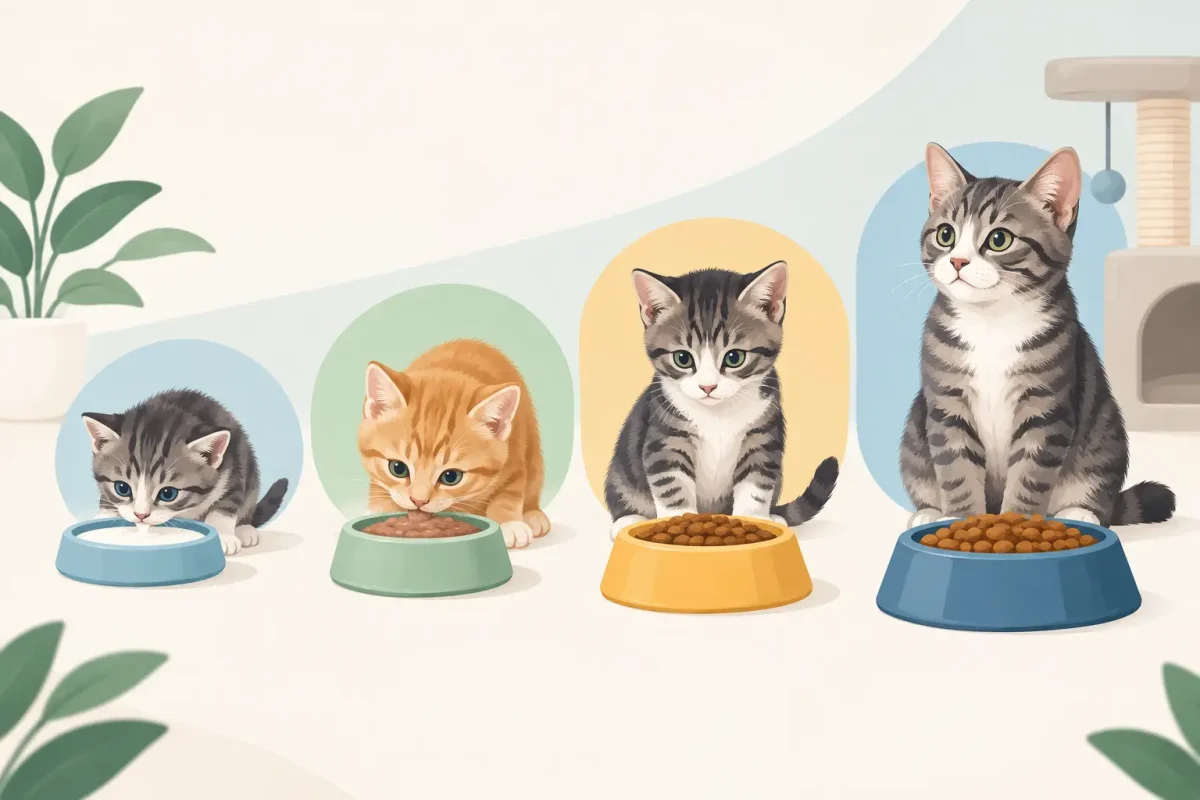
A kitten can grow from a tiny, bright-eyed bundle into a long, elegant cat faster than most families expect. Those first months shape more than size. The best foods for growing kittens support steady bones, strong muscles, healthy digestion, bright coats, and the playful confidence that makes a well-loved kitten feel at home.
For Maine Coons and Ragdolls, thoughtful feeding matters from the start. Both breeds are known for substantial frames, soft affectionate personalities, and long relationships with their families. A nutritious routine does not need to be complicated, but it should be consistent, age-appropriate, and adjusted as your kitten grows.
What Makes the Best Foods for Growing Kittens?
The most reliable starting point is a food labeled for kitten growth or for all life stages. Look for a nutritional adequacy statement showing that the recipe is complete and balanced for growth according to Association of American Feed Control Officials, or AAFCO, standards. That statement matters more than a package covered in appealing ingredient claims.
Kittens need more energy and more nutrients per pound than adult cats. Their bodies are building muscle, bone, organs, and a healthy immune system while they explore every room, chase every toy, and learn the routines of their new family. A quality kitten food is formulated with the higher levels of protein, fat, vitamins, and minerals this busy stage requires.
Animal-based protein should be a central part of the recipe. Chicken, turkey, beef, fish, and similar ingredients can all fit well when the food is complete and balanced. Protein helps support lean muscle, which is especially meaningful for a large-framed Maine Coon, but it is not the only thing that matters. The overall balance of the recipe is what makes a food suitable for daily feeding.
Healthy fats provide concentrated energy and help support skin, coat, and brain development. Taurine is another essential nutrient for feline heart and eye health. Calcium and phosphorus must be present in appropriate proportions for growing bones. This is why a homemade recipe, adult food, or a supplement-heavy feeding plan should never replace a complete kitten formula without guidance from your veterinarian or a qualified veterinary nutritionist.
Wet Food, Dry Food, or Both?
Many families ask whether wet or dry food is better. In most homes, either can be part of a healthy plan, and a combination often gives kittens useful variety.
Wet food adds moisture, which can support hydration for cats that do not naturally drink much water. It is also soft, aromatic, and often especially appealing during a kitten’s first days in a new home. For families who enjoy sitting with a kitten during meals, wet food can become a gentle bonding routine.
Dry kitten food is convenient, calorie-dense, and easy to measure. Some kittens enjoy having measured dry meals available during the day, particularly in active multi-pet households where the schedule can be busy. It should not be treated as a substitute for fresh water, though. Keep clean water available in more than one quiet location, away from the litter box.
A mixed approach can work beautifully: wet food at set meal times and measured dry food as part of the daily ration. The key word is measured. Free-feeding an unlimited bowl may be appropriate for some very young kittens under breeder or veterinary direction, but it can make it harder to notice changes in appetite or body condition as your kitten gets older.
Feeding a Maine Coon or Ragdoll Kitten
Maine Coons and Ragdolls may both become impressively large cats, yet their growth is still individual. Maine Coons in particular can mature slowly, sometimes continuing to fill out well beyond their first birthday. That does not mean every Maine Coon kitten needs extra food or a special giant-breed formula. It means families should watch the kitten in front of them rather than feed by a chart alone.
Ragdoll kittens are often easygoing companions, but they still have lively bursts of play and need energy to grow. Their plush coats and gentle presence can make it tempting to judge health by softness alone. Instead, pay attention to steady weight gain, a good appetite, normal stools, clear eyes, and an active, engaged personality.
Your veterinarian can help determine whether to continue kitten food until 12 months or longer. Some larger, slower-maturing cats benefit from an extended kitten feeding period, while others are ready to transition closer to their first birthday. The right timing depends on body condition, growth rate, activity level, and the specific food being fed.
Build a Calm, Consistent Meal Routine
A predictable feeding routine helps kittens settle into a new home. Young kittens typically do best with several small meals each day because their stomachs are small and their energy needs are high. As they mature, many can gradually move to fewer meals while still receiving the correct daily amount.
Start with the feeding guidance on the food package, then treat it as a starting point rather than a fixed rule. Package charts cannot know whether your kitten is going through a growth spurt, racing through the house with children each evening, or spending a quiet week adjusting after travel. Weigh your kitten regularly when practical, and let your veterinarian help you interpret that growth.
A healthy kitten should look proportionate, not round or thin. You should be able to feel the ribs with light pressure, but they should not be sharply visible. If appetite suddenly drops, vomiting continues, stools become persistently loose, or your kitten seems unusually tired, call your veterinarian promptly. Kittens can become dehydrated or unwell more quickly than adult cats.
Read the Label Without Getting Lost in Marketing
Food packaging can make a simple decision feel overwhelming. Focus on the details that affect daily nutrition instead of chasing a perfect-looking ingredient panel.
A dependable kitten food should offer these basics:
- A complete and balanced statement for growth or all life stages
- A named animal protein source among the primary ingredients
- Appropriate calories for your kitten’s age and activity level
- A manufacturer with clear quality-control practices and accessible customer support
Grain-free is not automatically better, and grain-inclusive is not automatically a concern. Cats need animal-based nutrition, but some grains can be included in a balanced commercial diet. Unless your veterinarian has identified a specific sensitivity, choose based on nutritional adequacy, your kitten’s digestion, and how well the food supports steady growth.
Be cautious with foods marketed as raw, lightly cooked, or homemade if they are not formulated to meet growth requirements. These diets can be appealing in theory, but young kittens are less forgiving of nutritional gaps and foodborne bacteria. If you are interested in a nontraditional diet, have a detailed conversation with your veterinarian before making a change.
Make Food Changes Slowly
A new kitten has already experienced a great deal: leaving familiar littermates, traveling, hearing new sounds, and learning a new household rhythm. Keeping the same food at first can make the transition gentler on both the stomach and the heart.
When it is time to change foods, mix a small amount of the new food into the current food and increase it gradually over about seven to 10 days. Go even more slowly if your kitten has a sensitive stomach. A gradual transition lets you watch for changes in stool, appetite, itching, or comfort without guessing which meal caused the problem.
Avoid adding many new treats at once. Tiny pieces of plain, cooked meat or a kitten-appropriate commercial treat can be a lovely training reward, but treats should remain a small part of the daily intake. The main meals are where your kitten receives the nutrients needed for healthy development.
Questions Families Often Ask About Kitten Food
How much should my kitten eat?
The answer depends on the food’s calorie content, your kitten’s age, current weight, activity, and growth pattern. Begin with the label guidance, divide the daily amount into age-appropriate meals, and adjust with veterinary input. A rapidly growing kitten may need more food than expected for a few weeks, then level out.
Can kittens eat adult cat food?
Adult food is not the best everyday choice for a growing kitten because it may not provide the calorie density and nutrient balance needed for development. In a brief pinch, it is unlikely to be an emergency, but return to a complete kitten diet as soon as possible.
When should a kitten switch to adult food?
Many kittens transition around 12 months, but large breeds and individual cats vary. Ask your veterinarian at routine wellness visits, especially if your Maine Coon is still growing steadily or your Ragdoll’s body condition is changing.
At Maine Coon And Ragdoll House, we believe feeding is part of the quiet daily care that helps a kitten feel secure. Choose a complete kitten food, offer it with consistency, and let regular veterinary care guide the small adjustments. That simple rhythm gives your new companion room to grow into the affectionate, healthy family cat they are meant to be.
