
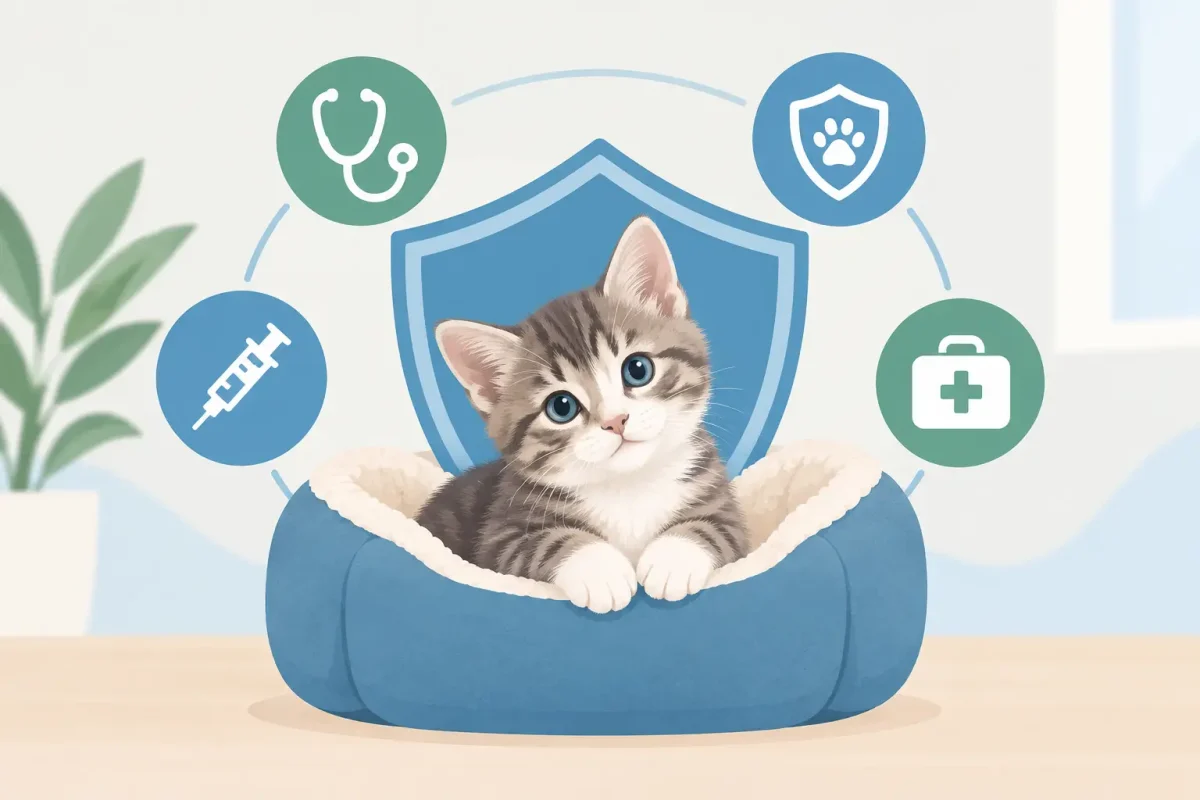
Bringing home a kitten should feel exciting, not uncertain. A thoughtful kitten health guarantee gives families a clearer picture of the care behind their new companion, the breeder’s responsibilities, and the practical steps owners should take once their kitten arrives. It is not a promise that a living animal will never need veterinary care. It is a meaningful commitment to responsible breeding, honest records, and support during the important transition into family life.
For a Maine Coon or Ragdoll kitten, that reassurance matters. These are affectionate, people-oriented breeds that often become deeply woven into daily routines, from greeting you at the door to settling beside you during a quiet evening. Choosing a well-loved kitten begins with understanding what a health guarantee does, what it does not do, and the questions worth asking before you make a reservation.
What a kitten health guarantee really means
At its heart, a kitten health guarantee is a written agreement between breeder and buyer. It explains the health standards a kitten meets at the time of placement and describes what happens if certain covered health concerns are identified within a stated period. The details vary from one cattery to another, so the actual agreement matters far more than a broad phrase such as “health guaranteed.”
A responsible guarantee usually reflects the work that happened long before a kitten was ready to leave. That work includes thoughtfully planned pairings, attention to family health history, appropriate veterinary care, clean living spaces, nourishing food, and close daily observation. In a family-raised setting, kittens are seen as individuals. A breeder notices who is eating eagerly, who is gaining steadily, who is especially cuddly, and who may need an extra look from a veterinarian.
The best guarantee is paired with open communication. It should be easy to understand, realistic about the nature of animal health, and clear about the responsibilities shared by breeder and new owner.
What should be included in the agreement?
Every cattery writes its own terms, but a clear kitten health guarantee commonly addresses the kitten’s health at pickup or delivery, documentation provided to the buyer, inherited or congenital conditions covered by the agreement, the time frame for coverage, and the steps required if a concern arises.
It may also explain whether the kitten has received age-appropriate veterinary examinations, vaccinations, parasite prevention, or testing recommended by the breeder’s veterinarian. Buyers should receive a record of care rather than relying only on a verbal reassurance. Those records help your own veterinarian understand your kitten’s early wellness history and establish a plan for ongoing care.
The agreement should also state what the breeder will do if a covered condition is confirmed. Depending on the terms, that may involve a replacement kitten, a credit toward a future kitten, or another defined remedy. The purpose is not to reduce a beloved kitten to a transaction. It is to set compassionate, fair expectations before emotions and stress are involved.
Genetic health and breed-aware planning
Maine Coons and Ragdolls each have traits that make them special, and responsible breeders also stay attentive to breed-related health considerations. A health guarantee may refer to genetic screening, veterinary guidance, or breeding decisions intended to reduce known inherited risks. Ask what health information is available for the kitten’s parents and how the cattery approaches breeding choices over time.
No breeder can guarantee that a kitten will never become ill or develop a condition later in life. Genetics are only one part of health. Nutrition, environment, accidental injuries, infectious exposure, stress, and individual biology all play a role. A trustworthy breeder will not make impossible promises. Instead, they will explain the care and screening practices behind their program with clarity and respect.
The new owner has an important role, too
A health guarantee usually asks the buyer to arrange a wellness visit with their own veterinarian shortly after bringing the kitten home. This early appointment is a valuable part of a healthy beginning, even when your kitten appears bright-eyed, playful, and perfectly settled. Your veterinarian can perform a baseline exam, review records, discuss vaccination timing, and answer questions specific to your household.
Follow the agreement’s timeline carefully. If it requires an exam within a certain number of days, schedule it before pickup when possible. Keep copies of all veterinary records and communicate promptly if your veterinarian identifies a concern. These steps protect your kitten’s well-being first, while also ensuring that both parties can follow the agreement fairly if a question arises.
Daily care matters just as much after that first appointment. A sudden food change, free access to unsafe household items, or an overwhelming introduction to resident pets can make the first week harder than it needs to be. Give your kitten a calm room or quiet corner, fresh water, a clean litter box, familiar food, and time to explore at their own pace. A gentle routine helps a kitten feel secure enough to eat, rest, play, and bond.
Questions to ask before reserving a kitten
A caring breeder welcomes thoughtful questions because a good match benefits everyone. Before placing a deposit, ask to review the health guarantee in full. If any language feels unclear, ask for an explanation in plain terms. You should understand the coverage period, what records you will receive, which concerns are included or excluded, and what documentation would be needed if you ever had to make a claim.
It is also helpful to ask how kittens are raised day to day. Are they handled regularly? Are they accustomed to normal household sounds? Have they been observed around children, respectful dogs, or other cats when appropriate? Health and temperament are connected in the earliest weeks. A kitten raised with steady routines and kind human contact is often better prepared for the change from cattery to home.
Ask about the kitten’s personality, not only appearance. A playful, busy Maine Coon may be a lovely fit for an active family that enjoys interactive play and grooming time. A gentle Ragdoll may be especially appealing to a household hoping for a close, relaxed companion. Individual kittens vary, of course. Honest guidance about confidence, energy, sociability, and adjustment style can be every bit as valuable as a health document.
Watch for clarity, not perfect promises
A guarantee deserves careful reading, but it should not be the only reason you choose a breeder. Look at the whole picture: the condition of the kittens, the breeder’s willingness to answer questions, the care records, the socialization approach, and the way they talk about long-term support.
Be cautious of vague claims with no written terms, pressure to decide immediately, or promises that sound too absolute. A kitten’s health is a lifelong journey, not a marketing line. Responsible breeders speak honestly about what they know, what they monitor, and when a veterinary professional should guide the next step.
At Maine Coon And Ragdoll House, that family-centered approach means looking beyond a kitten’s beautiful coat or impressive size. The goal is to help each kitten begin life with attentive care and to help each family feel prepared for the joyful responsibility ahead.
A healthy start is built over time
The first week at home is a tender adjustment period. Your kitten may be brave and curious from the first hour, or they may need a little time before their big heart is ready to explore. Keep introductions slow, maintain the feeding routine recommended at pickup, and offer calm affection without expecting instant confidence.
A good kitten health guarantee gives you a foundation, but the relationship that follows is built through ordinary, loving acts: noticing a change in appetite, keeping veterinary appointments, brushing a long coat, making time for play, and learning your kitten’s quiet ways of asking for comfort. Choose a breeder who treats those early details with care, then give your new companion the patient, steady home they deserve.
